
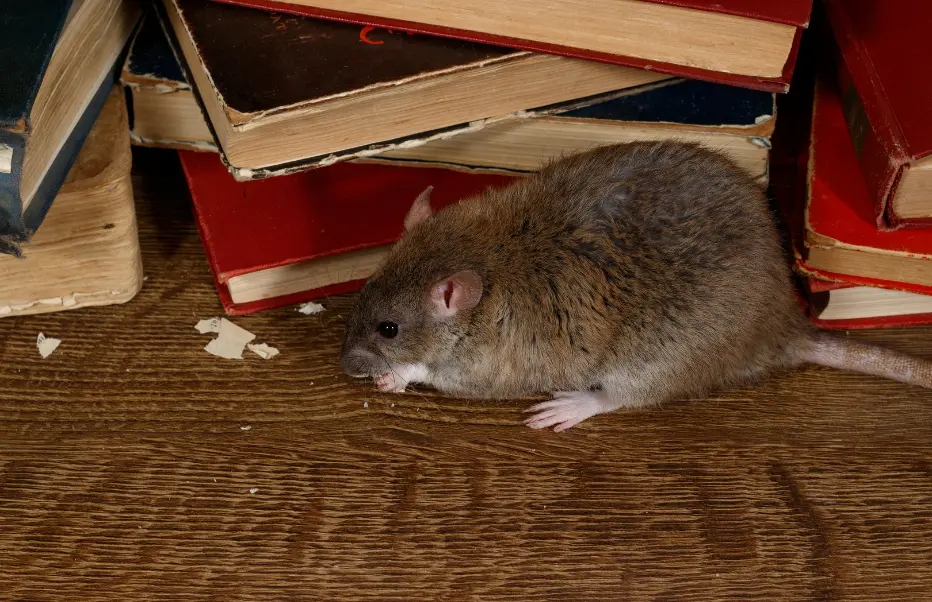
As state officials report a rise in rodent populations, Kanga Pest Control encourages Willamette Valley homeowners to get ahead of rodent season and use rodent baits safely during Rodent Awareness Week.
Woodburn, Ore. (October 20, 2026) – Rodent Awareness Week returns October 18-24, 2026, and Kanga Pest Control is joining the National Pest Management Association (NPMA) in educating homeowners about the risks mice and rats can pose to health and property. This year the message is especially timely in Oregon. Following a mild winter, the Oregon Department of Agriculture (ODA) Pesticides Program reports a statewide increase in rodent populations, and as the fall rains set in, these pests are seeking food, water and shelter inside homes and businesses from Portland to Salem.
“Oregon is seeing more rodents than usual this year, and we’re already hearing about it from homeowners in Salem, Canby and across the Portland area,” said Jesse Gooch, owner of Kanga Pest Control. “Mice and rats can squeeze through surprisingly small gaps, and once the rain starts they want to be inside with us. Sealing entry points early is the best defense. And if you’re reaching for rodent bait, read the label first. It’s there to protect your kids, your pets and our local wildlife.”
Rodents are more than a nuisance. They can contaminate food and surfaces, spread disease and trigger allergy and asthma symptoms. Their constant gnawing can also damage insulation, drywall and electrical wiring, potentially leading to costly repairs. Because mice and rats often remain hidden, an infestation may go unnoticed until homeowners find droppings, discover damage or hear unusual sounds within the home.
Watch for These Signs of Rodent Activity
- Droppings in cabinets, pantries or other hidden areas
- Gnaw marks on food packaging, walls, baseboards or wiring
- Scratching or scurrying sounds inside walls or ceilings, especially at night
- Shredded paper, fabric or insulation used as nesting material
- Greasy rub marks along walls or baseboards where rodents frequently travel
Help Prevent Rodent Problems
Homeowners can reduce the likelihood of an infestation by:
- Sealing cracks, gaps and holes around the home’s exterior
- Repairing damaged screens and weather stripping
- Storing food in sealed containers
- Cleaning up crumbs and spills promptly
- Reducing clutter in garages, attics, barns and storage areas
- Keeping vegetation trimmed away from the home and storing firewood off the ground
Using Rodent Baits? The Label Is the Law
On October 6, 2026, the ODA issued a pesticide advisory on the proper use of rodenticides, noting that issues with rodenticide use have already been identified this year as seed moves into storage warehouses. Rodenticides can harm people, pets and wildlife if label directions aren’t strictly followed, and pesticide labels are legally enforceable. The ODA recommends:
- Reading the entire product label before purchase and use, and always following it
- Identifying the rodent species before choosing a bait, since some products work better on specific species
- Starting with prevention, sanitation and exclusion, then trying a lower-toxicity product first
- Storing rodent baits in a cool, dry place out of reach of children, pets and wildlife
- Wearing gloves when disposing of dead rodents and securing trash cans so pets and wildlife can’t reach poisoned rodents
Many rodenticide baits can be toxic to humans, wildlife and domestic animals if they are eaten, or if an animal eats a rodent that was recently poisoned. Homeowners with questions about pesticides can contact the ODA Pesticides Program at 503-986-4635 or pesticide-expert@oda.oregon.gov.
Identifying and addressing an infestation isn’t something homeowners should handle alone. Qualified, licensed pest control professionals can determine how mice or rats are entering a structure, locate nesting areas and develop an effective plan that uses rodent control products safely and according to the label.
For more information about rodent prevention or to schedule an inspection, visit kangapestcontrol.com or call 503-592-7300.
